Direct hotel bookings start before the booking engine.
How a hotel can show its own rate where travellers compare prices, keep that rate accurate and give guests a reason to book direct.
The idea in brief
Get your own rate in front of travellers while they compare, make the booking page match it exactly and state a real benefit of booking direct.
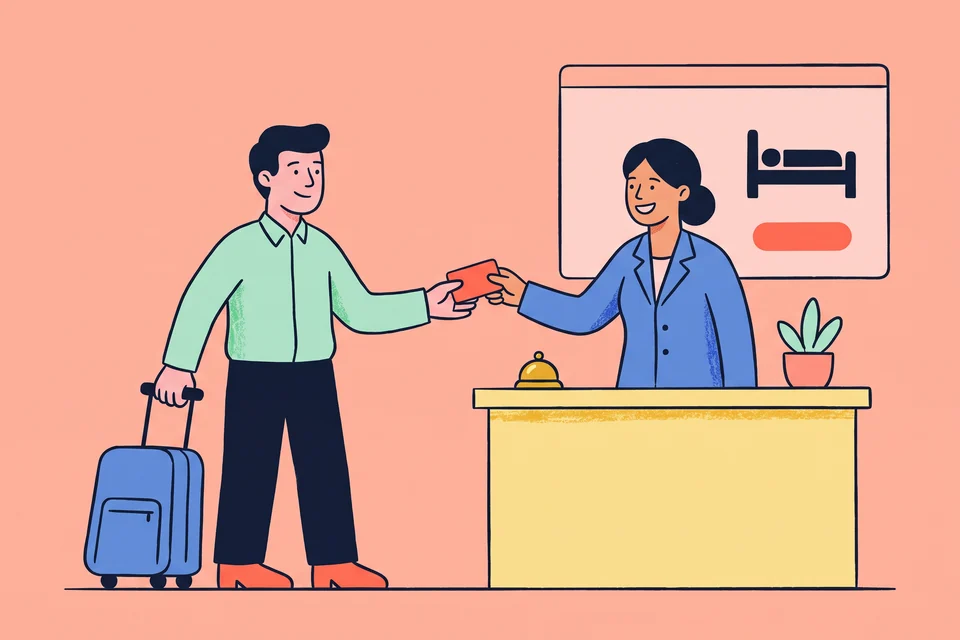
A traveller searches for a hotel by name, picks dates and sees a list of prices from booking sites. The hotel’s own website is further down, or missing. They choose the first familiar logo, and the hotel pays commission on a guest who was already looking for it.
Booking sites bring in a lot of guests and most hotels will keep using them. The aim of this article is narrower: make sure that a guest who wants to book with you can find your rate, trust it and finish the booking.
Show your rate where guests compare
Much of the comparison happens before anyone reaches a hotel website. On Google, a hotel’s profile can show prices and booking links. According to Google’s help for hotel owners, a Business Profile on its own appears without prices. To show prices and direct booking links, the hotel’s rates and availability have to reach Google through a connectivity partner, such as a booking engine, channel manager or property management system.
Once rates are shared, the hotel can appear in free booking links. Google describes these as unpaid links, ranked according to their utility to users, and says it does not collect any payment for placement or clicks. They sit alongside paid hotel ads.
So the first question for your booking engine provider is simple: are our rates being sent to Google? Google notes that a hotel using a reservation system may already be connected through its provider, so it is worth asking before paying for anything new.
Keep the hotel profile accurate
A verified hotel can edit its services and amenities in its profile and add check-in and check-out times. Google also gathers hotel details from other sources, so review the profile regularly instead of assuming it matches what you entered.
Check the things guests ask at the desk: parking, airport transfer, breakfast, pool hours, accessibility. If the website says one thing and the profile another, the guest cannot tell which is right.
The same help page notes that businesses inside a hotel can have their own profiles when they can be accessed independently. A restaurant or spa that welcomes non-guests deserves its own listing, hours and page.
Make the page match the rate
When a traveller clicks a rate for two nights in March, the page should open on those dates, that room and that price. If they land on the homepage and have to enter everything again, some will go back to the list.
Accuracy counts in Google’s ranking too. It names landing page experience and the historical accuracy of prices among the signals for free booking links. Show the total with taxes and fees before the final step, and keep the cancellation terms beside the price.
Then complete a booking on a phone, with a real card, on hotel wifi and on mobile data. Note every moment you hesitated. Our article on keeping an ad’s promise covers the same continuity for campaign pages.
Give guests a reason to book direct
A guest needs a reason to leave a site they already trust. Make the reason specific and true: a member rate, breakfast included, a later check-out, or simply a direct line to the people at the property.
State the benefit where the decision is made, beside the rate and again in the booking engine. A banner on the homepage does little for someone who arrives on a room page from a price list.
After the stay, invite the guest to return. A short, relevant email before their next likely trip gives them a way back that does not begin with a price list.
How we help hotels
Our published hospitality work is a hotel loyalty campaign: one promotion running across 73 hotels in 13 countries, with campaign strategy, Meta and Google advertising, ad creative, landing pages and reporting dashboards. Acquisition cost fell by 55%.
The lesson we took from it applies to a single property as well. The ad, the landing page and the booking step have to describe the same offer, and the reporting has to follow a guest past the click.
- Are our rates and availability sent to Google?
- Do booking links open on the dates the guest selected?
- Is the full price, with taxes and fees, shown before payment?
- Can we see which bookings began with a campaign?
Read more about our work for hospitality and hotels.