Customer and audience research.
Customer evidence that helps you decide what to say, build and improve.
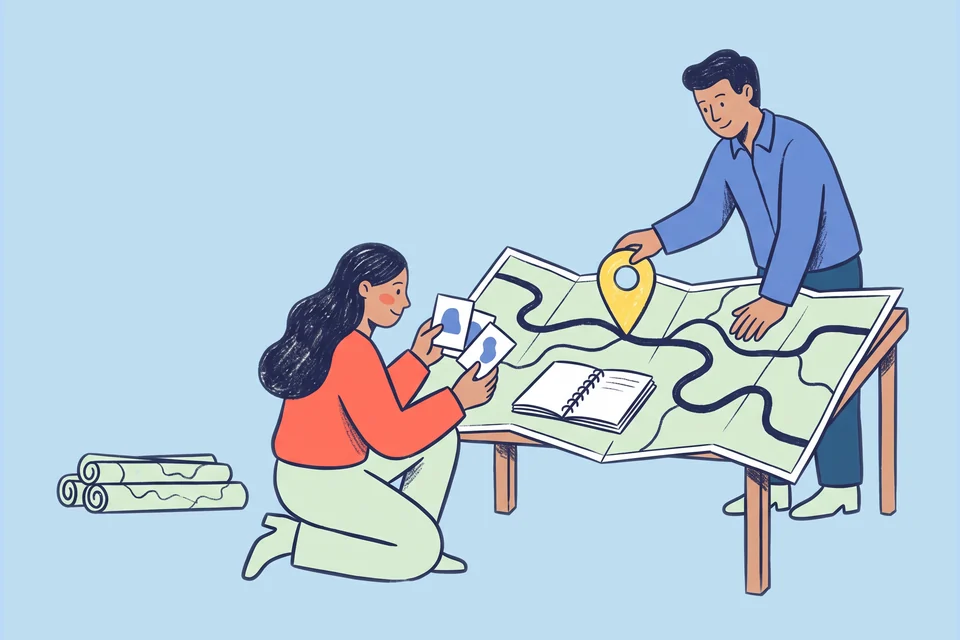
Replace a broad audience label with a real situation.
Knowing someone’s age or job title rarely explains the whole decision. We look at what they are trying to do, the alternatives they consider and the questions that stop them from moving forward.
What we can build together.
The final deliverables, review rounds and schedule are agreed around your brief.
- Research questions
- Define the decisions the research needs to support and the assumptions worth testing.
- Evidence review
- Examine existing interviews, enquiries, reviews, analytics and similar material.
- Primary research
- Scope interviews or other methods when direct customer evidence is needed.
- Audience findings
- Present customer needs, buying situations and implications for the next brief.
Treat internal opinions as assumptions.
Research the situation behind the request
A customer asking for a new website may really need a sharper offer, easier publishing or a better sales handoff. Ask about what they are trying to achieve and how they work today. GOV.UK’s research guidance describes reviewing existing evidence and learning directly from users. Read the user-needs guidance.
Keep the evidence connected to the finding
A sound finding should show which observations support it and which groups it may not represent. Avoid turning one memorable interview into a universal claim. Bring the uncertainty into the brief so later design or marketing work can test it rather than hide it.
From brief to handover.
Choose the questions
Agree what you need to learn and whose experience will help answer it.
Gather the evidence
Review existing material and conduct the agreed research without treating internal opinions as facts.
Turn findings into decisions
Connect the evidence to messaging, service design and the priorities for delivery.
The answers to
your questions.
Get in touch
Do you create personas?
We can, where they help the team make decisions. The format should reflect evidence rather than invented demographic detail.
Can you use research we already have?
Yes. Reviewing existing evidence is often the first step and saves you paying for the same work twice.
How many interviews do we need?
That depends on the question, audience diversity and method. We agree the approach before recruitment.